Informational article
How to document a scope change discovered during the works
In preparation
We build content around scope, responsibility, and evidence of delivery. Every piece is assigned to a project phase, investor type, relevant documents, and the page that develops a specific service or product.
265
construction portals
16
home & interiors portals
12 mo.
indexation monitoring
Construction & Home
Construction portal
Publication topic
How to prepare a scope of works before requesting contractor quotes
Portal database
Construction portals are the foundation for contracting, procedures, and building products. Home and interiors portals are used for renovation and fit-out content aimed at end users. We do not send a commercial industrial contractor's messaging to a random interior design advice site.
265
construction & garden sites
16
home & interiors sites
2
investment paths
12 mo.
indexation monitoring
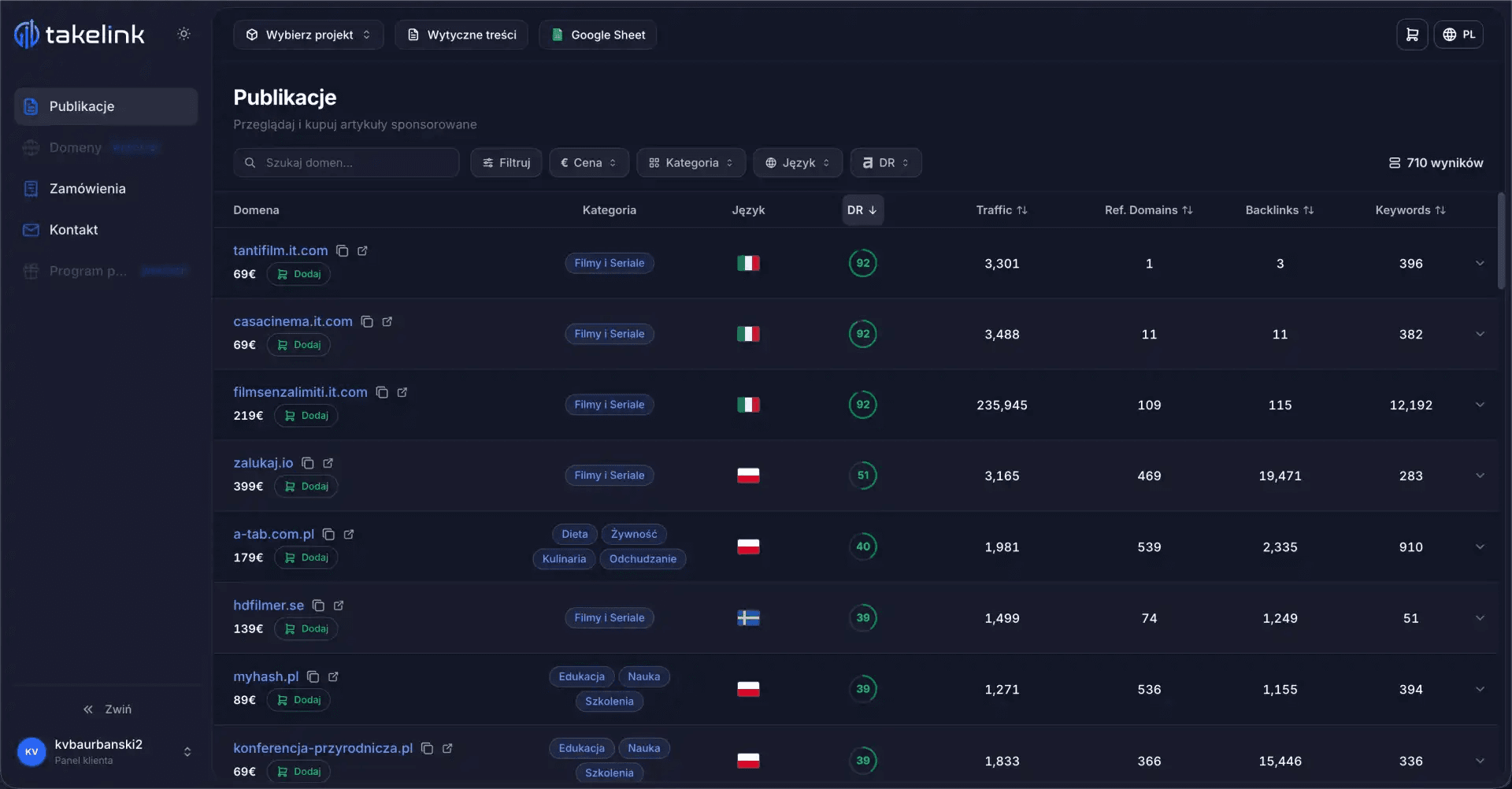
Portal selection criteria
We never select portals based on a single metric alone.
Collaboration paths
Before works begin, content helps readers prepare a complete brief and understand each party's role. During and after delivery, it shows how to manage change and maintain an evidence trail. It does not replace an individual contract.
Path 01
Sample topics
Path 02
Sample topics
Packages
Volume is driven by the number of services, project types, products, and ready-to-link landing pages. We do not produce series by swapping a city name or material into the same checklist.
Single service and phase
A first campaign for a specific contracting, renovation, or product scope.
Lower unit cost
Pricing after portal selection
From brief to handover
Two separate tracks: scope preparation, and change management, sign-offs, and documentation.
Lower unit cost
Pricing after portal selection
Service and product portfolio
A plan for multiple specialisms, project types, locations, or materials groups.
Lower unit cost
Pricing after portal selection
How it works
Send your brief
Tell us about the site, niche, target market and campaign goal. We'll use that to scope the work.
Site selection & pricing
We match sites to your topic, audience and budget, then send a proposal for your approval.
Content & approval
You can supply a ready article or ask us to write one — either way you sign it off before we publish.
Publication & monitoring
Once approved, we publish and start monitoring indexation.
What's included
Before editorial work begins, we clarify roles, documents, and offer boundaries. After publication, we deliver a report and monitor indexation.
Send a brief for one client — we'll come back with a portal proposal, role breakdown, and a rough timeline.
Important for this industry
Jak pracujemy
Content for general contractors is placed on portals with a B2B and tendering context. Renovation and fit-out content goes to end-user portals and home-interest sites. A single portal cannot serve both audiences at once.
The target landing page is confirmed before portal selection: scope of work, exclusions, team roles, and project type. A link without a verified landing page that reflects real scope does not move to production.
The construction category spans 281 portals — we select those that match the company's role and project phase. Tendering and general contracting demand a different context from a self-build advice site.
The product landing page must include the identifier, declaration of performance, and intended use. Portals without technical context are not suitable for product pages of regulated construction materials.

Answers covering roles in the construction process, scope of works, change management, sign-offs, building products, local SEO, and boundaries with HVAC and real estate.
General contractors, renovation companies, subcontractors, specialist trades, and manufacturers or distributors of building materials. Each model receives its own scope definition and target audience.
Delivery model descriptions, a works and exclusions matrix, team roles, required documents, pricing methodology, operating area, project phases, change and sign-off procedures, and completed projects approved for publication.
Building regulations name the investor, the site inspector, the designer, and the site or works manager as participants in the construction process. The general contractor's role derives from contract and project organisation, so we do not conflate these positions.
It can explain the components of a cost estimate and the factors that drive a programme. It should not guarantee specific numbers without drawings, site conditions, a defined scope, stated assumptions, a confirmed start date, and client sign-off.
As a process: identify the discrepancy, raise a query or RFI, assess the impact on design, cost, and programme, obtain a decision from the authorised party, update the documents, and notify all relevant stakeholders.
No. CE marking commits the manufacturer to declared performance against applicable requirements, but suitability depends on the product type, its intended use, and the specific project specification.
We date all sources and references. EU Regulation 2024/3110 introduces changes in stages — including a shift toward digital product data — so content is approved against the regulatory state applicable to each specific product.
Yes, when the location matches the company's actual operating area, team, and a specific service page. We do not replicate identical copy for areas the company does not genuinely serve.
Construction covers contracting, renovation, works coordination, and building products. HVAC covers thermal and ventilation systems, while real estate covers listings, transactions, lettings, and property management.
No. Precise roles, documentation, and phase-specific content can help search engines and AI systems understand and categorise content more effectively, but they do not guarantee rankings, citations, enquiries, or project outcomes.
Last updated: July 2026
Next step
Send us the project type, services, works matrix, sample documents, and offer pages. We will map topics from brief to handover.
See also